Real Results

Performance By The Numbers

From Stuck‑Pipe Risk to Drilling Success

Magnus® Saker RSS, MPD Integration Enhances Drilling Parameters, Delivers Improved Performance

Objectives

  • Safely recover and reach TD on a problematic well after a stuck-pipe incident during drilling the mother bore.
  • Reduce differential sticking risk by managing pore pressure uncertainty and lowering equivalent circulating density (ECD).
  • Improve drilling performance and stability using managed pressure drilling (MPD) while minimizing additional nonproductive time (NPT).
  • Deploy managed pressure wells applications for all the well construction stages to reduce overall well cost.

Our Approach

  • Weatherford engineers identified a high risk of differential sticking due to a narrow operating window, elevated ECD, and sensitivity to overbalance. They recommended using MPD as a preventative solution, but the operator decided to attempt drilling conventionally.
  • After a stuck-pipe incident confirmed the pre-drill risk, the Modus™ managed pressure wells solution was mobilized to drill alongside the Magnus Saker RSS. The combined drilling and MPD engineering reassessment centered on a strong focus on pore pressure identification as a key enabler to safely redefine the operating window.
  • The Modus system and downhole Weatherford drilling services data enabled real-time annular pressure monitoring and surface backpressure control, allowing the drilling team to reduce equivalent ECD and increase the available margin in this loss-prone well. The MPD flexibility enabled the drilling team to optimize hydraulics and increased flow rates to unlock the Magnus Saker RSS performance in drilling.
  • Weatherford conducted a static pressure test (PPT), providing direct and dynamic validation of formation pressure. The MPD-based PPT proved more accurate than the previously predicted formation pressure model, reducing uncertainty and increasing confidence in the actual pore pressure window.
  • With this validated pressure envelope, drilling resumed safely using lower effective overbalance, eliminating further stuck-pipe risk. Improved pressure management resulted in a more stable wellbore and enhanced drilling performance.
  • The validated pore pressure data was subsequently used to optimize the completion design, enabling the selection of a lower completion fluid weight while maintaining well integrity, significantly reducing overall well cost for the operator.

Value to Customer

  • Prevented major drilling dysfunctions, including twist offs, stuck pipe, and losses, through improved pressure control.
  • Improved drilling performance, increasing ROP with Magnus RSS, enhancing wellbore quality, and reducing invisible lost time (ILT).
  • Maintained lower EMW and stabilized the drilling window using MPD, eliminating pressure cycling and differential sticking risks.
  • Optimized fluid strategy, drilling the horizontal section with minimal MW (82 pcf), lowering final brine weight (from 93 to 86 pcf), and avoiding costly barite/KMW systems.
  • Achieved significant cost avoidance, including approximately 8,270 bbl mud cap savings during the PMCD-to-MPD transition.
  • Enhanced operational stability, enabling safe navigation of tight spots and high sticking zones without delays.
  • Strengthened reservoir understanding through PPT and ECD-based pressure mapping, improving future well planning.
  • Enhanced safety and crew efficiency, with zero QHSE incidents and safer return flow isolation.
Details

Location

Middle East

Well Type

Development, producer, horizontal

Formation

Carbonates

Products/Services
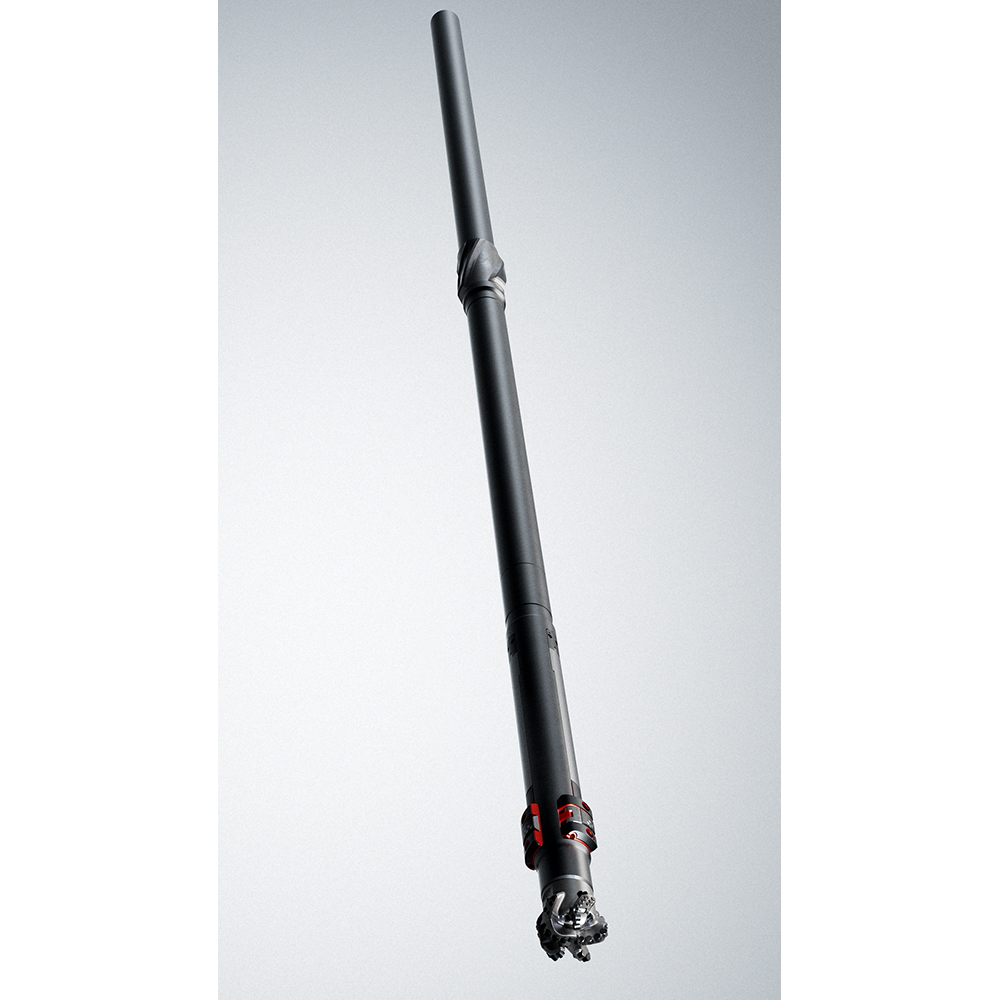
Magnus Saker RSS

Contact Weatherford

Take the next step in realizing the field of the future. Submit your details and one of our optimization experts will be in touch.